Business psychology for AI‑era organisations
We help leadership teams diagnose and fix the trust, workflow and governance barriers that stop AI adoption from sticking
We run a structured diagnostic that shows you exactly where AI adoption is breaking and gives you a prioritised plan to fix it.
Compliance on paper, resistance in practice
Workarounds everyone uses but nobody mentions
Leaders who can't challenge the plan
None of it shows up until the numbers do
The Horizon framework
Diagnose, design, embed. The one clear way in.
Resistance, Workarounds,
Silent non-compliance.
Most engagements begin here: a focused 90-minute session with the right people in the room. What starts as “they’re not using it” quickly becomes a clear, ranked list of priorities, scored red, amber, and green across seven domains.
o1
Trust calibration
Neither ignoring the tool nor deferring to it blindly.
o2
Workflow integration
Living inside real work, not off to one side.
o3
Decision authority
Clear on who decides, approves, escalates.
o4
Information behaviour
Good input in, reliable answers out.
o5
Collaboration zones
Clear on what's AI-alone, human-alone, together.
o6
Governance after launch
Someone owns it, watches it, reviews it.
o7
Normalisation & training
The new way is simply the way things are done.
Red - failing, start here
Amber - at risk under pressure
Green - working, leave it alone
We work in the way your challenge requires, not the other way around.
What you actually walk away with
Not a report that sits on a shelf. A scored map and a plan you can act on this week.
You get a scored adoption-risk map across seven domains, a prioritised action plan, and named ownership for each fix, from a single 90-minute session.
From one 90-minute session
A
Red,
Amber,
Green
score across all seven domains
A ranked list of what to fix first, and why
Named ownership for each fix, no orphaned actions
A plain-language brief your leadership team can act on directly
How we work
Most engagements combine more than one of these, built around what the organisation actually needs, not a standard package applied regardless of context.
Start here
Diagnose
The Horizon assessment. Find out exactly where the human system is breaking, before anything else moves.
Then
Design
Workshops and facilitated sessions built around what the diagnostic found. We don't do away-days. We do the harder version.
Then
Embed
Embedded consultancy and executive coaching, in the room for as long as it takes to make the change stick, without heroics.
AI leadership alignment
Leaders make and own AI-related calls with confidence, instead of quietly deferring or overriding in private.
AI governance
Ownership and oversight that hold up after the pilot ends, not a policy document nobody revisits.
AI Trust & Behaviours
Calibrated trust, neither blind deference to the tool nor silent workarounds that quietly route around it.
AI Change Facilitation & Decision-Making
Adoption that holds because people understand how decisions get made, not because they were told to comply.
The pattern is always the same. Leadership teams get the strategy right and then watch it stall, not because people disagree with the plan, but because nobody feels safe enough to say where it's actually breaking. That's not a motivation problem; it's a design problem.
Neil Chester. Founder, Elvorta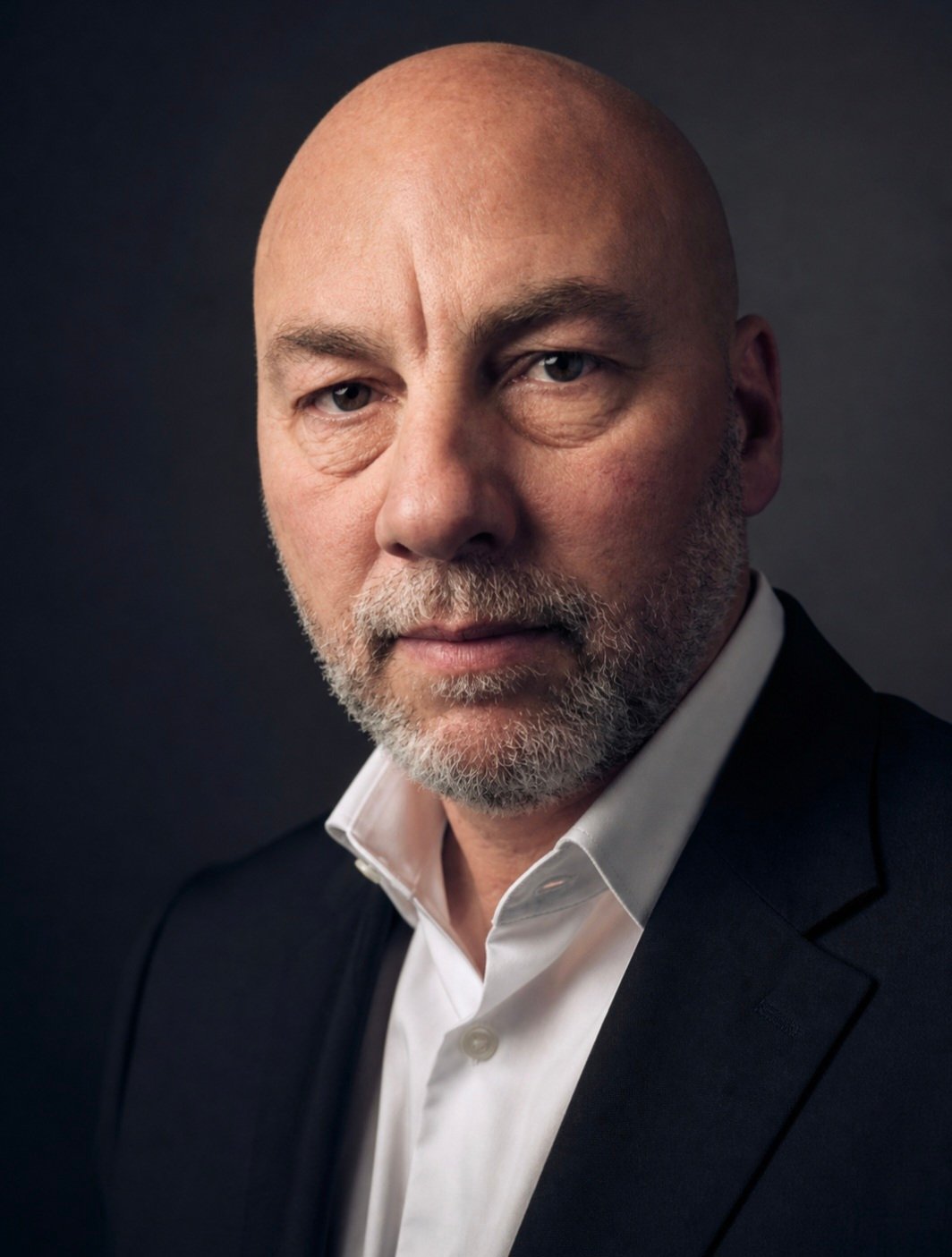
Led By
Neil Chester
Neil's understanding of pressure didn't start in a classroom. Military service, business ownership, and organisational psychology, three different views of what happens when people stop trusting a system under pressure, and what it takes to earn it back.
Who this is for
Commissions the work
Chief Executive Officer
The pressure is real. Accountability is often unclear. Trust, identity, and psychological safety sit beneath your transformation, and explain performance gaps no status report will show.
Builds the case
Chief Operating Officer
You can see what's happening. Getting leadership to act on it is the harder part. Elvorta gives you the evidence base, the frameworks, and the facilitation capability to act on it alongside your team.
Lives the work
Transformation Directors
You're holding the gap between strategy and reality. Elvorta works on the conditions that make that position sustainable, by addressing what makes it so difficult in the first place.
You're not looking for someone to tell you change is hard. You're looking for someone who understands the specific conditions you're operating in.